
The Importance of Veteran Mental Health Clinics
Veterans face unique mental health challenges that stem from their experiences during service. Support systems are essential for these individuals as they navigate the complexities of civilian life. A Veteran mental health clinic plays a critical role in providing the necessary resources, support, and therapies tailored to their specific needs. Understanding the intricacies of these services not only highlights their importance but also emphasizes the ongoing need for effective mental health solutions for veterans.
Understanding the Unique Challenges Veterans Face
Returning to civilian life can be daunting for veterans. Many experience psychological conditions such as Post-Traumatic Stress Disorder (PTSD), depression, and anxiety. The nature of military service—exposure to traumatic events, high-stress environments, and the adjustment to life after service—can significantly impact their mental health. According to data from the U.S. Department of Veterans Affairs (VA), approximately 11-20% of veterans who served in Operations Iraqi Freedom and Enduring Freedom suffer from PTSD in a given year. Additionally, veterans are at a higher risk for suicide compared to their civilian counterparts.
Role of Mental Health Clinics in Supporting Veterans
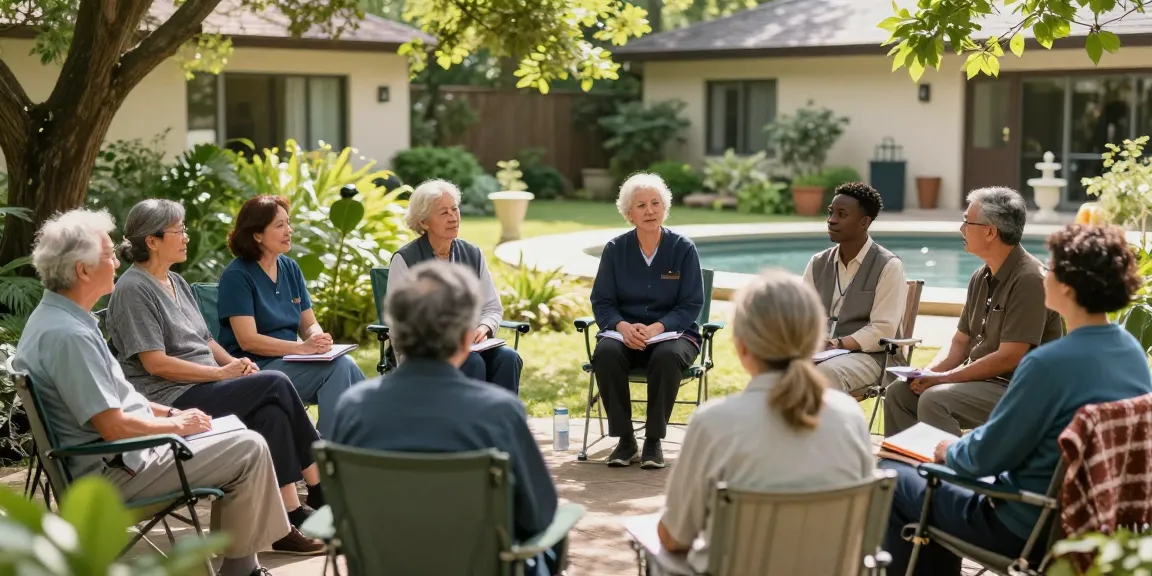
Mental health clinics serve as vital lifelines for veterans, offering a range of services from therapy and counseling to medication management. These clinics are staffed with professionals trained to address the specific needs of veterans. For example, clinics may provide Trauma-Informed Care (TIC), which focuses on understanding and considering the impact of trauma in treatment processes. They also facilitate peer support groups, which allow veterans to connect with others who share similar experiences, fostering a sense of community and understanding.
Statistics on Veteran Mental Health Needs
Statistics reveal the pressing need for comprehensive mental health services for veterans. In 2020, an estimated 1.5 million veterans were reported to have a mental health diagnosis, yet only a fraction received adequate care. This gap highlights the necessity for improved services and outreach. Furthermore, the National Veteran Suicide Prevention Annual Report underscores that veterans accounted for 13.7% of all suicides in the United States in 2019, emphasizing the urgency of addressing these mental health issues effectively.
Innovative Approaches in Veteran Mental Health Treatment
In recent years, veteran mental health clinics have adopted innovative approaches to enhance the quality of care provided. These methods not only improve accessibility but also promote engagement and recovery among veterans.
Telehealth: Breaking Barriers in Access
Telehealth has emerged as a crucial service delivery model for veterans, especially during the COVID-19 pandemic. It allows veterans to access mental health services from the comfort of their homes, breaking down geographical barriers and reducing stigma associated with in-person visits. Studies show that telehealth can be as effective as face-to-face therapy, particularly for conditions like PTSD and anxiety disorders.
Integrating Holistic Therapies with Conventional Care
Recognizing that mental health treatments are not one-size-fits-all, many clinics are now integrating holistic therapies with conventional approaches. Techniques such as mindfulness, yoga, and art therapy are being implemented alongside traditional psychological treatments. This comprehensive approach addresses the mind-body connection and offers veterans additional tools for managing their mental health.
Utilizing Technology for Enhanced Patient Engagement
Technology plays a significant role in enhancing patient engagement in mental health care. Virtual reality (VR) therapy, for instance, is becoming an innovative treatment option for veterans dealing with PTSD. This method exposes patients to controlled environments that can help them process traumatic memories safely. Additionally, numerous apps designed to promote mental wellness are available, offering everything from mood tracking to guided meditation.
Barriers to Accessing Veteran Mental Health Clinics
Despite the advancements in veteran mental health services, several barriers still hinder access for many veterans. Identifying and addressing these obstacles is crucial for improving overall mental health outcomes.
Stigma Surrounding Mental Health in the Military
Stigma remains one of the most significant barriers to accessing mental health care for veterans. Many individuals fear being perceived as weak or unfit for duty if they seek help, leading to a reluctance to engage with mental health services. Combatting this stigma is essential for encouraging veterans to prioritize their mental well-being.
Financial and Logistical Challenges Veterans Encounter
Financial constraints can also impede access to mental health services. While many veterans are eligible for VA benefits, complexities in navigating the system can deter them from seeking care. Additionally, logistical challenges such as transportation and clinic hours may further restrict access for some veterans, particularly those living in rural areas.
Awareness and Outreach: Bridging the Gap
Many veterans remain unaware of the mental health resources available to them. Increased outreach and awareness campaigns are vital for bridging this gap. Partnering with community organizations and leveraging social media platforms can help disseminate information about existing services and support networks.
Best Practices for Effective Veteran Mental Health Services
Implementing best practices in veteran mental health clinics is crucial to ensure effective treatment and support. These practices focus on creating a welcoming environment and collaborative care models that prioritize the needs of veterans.
Creating an Inclusive and Supportive Environment
Veteran mental health clinics should cultivate an inclusive environment that acknowledges the unique experiences of military personnel. Training staff to be culturally competent can enhance the therapeutic relationship and encourage veterans to engage in treatment. Simple gestures, such as displaying military insignia, can make clinics feel more welcoming and affirming for veterans.
Collaboration Between Agencies for Comprehensive Care
Collaboration among different agencies—local, state, and federal—is essential for providing comprehensive care to veterans. By sharing resources and information, clinics can create a seamless support network that addresses both mental and physical health needs. Multi-disciplinary teams that include social workers, psychologists, and psychiatrists can offer well-rounded care tailored to individual veteran needs.
Measuring Outcomes and Successes in Treatment Programs
Regularly measuring treatment outcomes is critical for assessing the effectiveness of mental health programs. Establishing metrics for success and gathering feedback from veterans can inform future improvements. By continuously evaluating and refining their approaches, clinics ensure they provide the highest standard of care possible.
Future Trends in Veteran Mental Health Clinics for 2026
As we move towards 2026, several key trends are expected to shape the landscape of veteran mental health services. Staying ahead of these trends is crucial for clinics aiming to meet the evolving needs of veterans.
Predicted Developments in Treatment Modalities
Future treatment modalities will likely see an increased focus on personalized care. Genetic testing and tailored pharmacological approaches may emerge, allowing for more precise treatment plans that align with individual veterans' needs and responses. Additionally, the integration of artificial intelligence in treatment plans could revolutionize how veterans engage with their mental health care.
Advancements in Community Support Networks
Community support networks are expected to play a more prominent role in veteran mental health care. Initiatives that involve collaboration between veterans' organizations, non-profits, and community health systems can help create comprehensive support ecosystems. This approach encourages a sense of belonging and connection among veterans, which is essential for mental well-being.
Policy Changes Impacting Veteran Mental Health Services
Anticipated policy changes at federal and state levels may further enhance mental health services for veterans. Advocating for policies that prioritize mental health funding, streamline access to care, and protect veterans' rights will be crucial for ensuring ongoing support and improvements in services.
What are the resources available for veterans seeking mental health support?
Veterans have access to various resources, including the VA health care system, community organizations, and non-profits focusing on mental health. Utilizing these resources can significantly enhance their recovery journey.
How can families support veterans struggling with mental health issues?
Family members play a crucial role in supporting veterans by encouraging open communication, actively listening, and promoting participation in therapy. Educating themselves about the challenges veterans face will also equip families to offer better support.
What role does peer support play in veteran mental health?
Peer support is invaluable in fostering resilience among veterans. Programs that connect veterans with others who have faced similar challenges create a safe space for sharing experiences and learning coping strategies, greatly enhancing overall mental health outcomes.
Are there specific programs for PTSD treatment in veteran clinics?
Yes, many veteran mental health clinics offer specialized programs for PTSD treatment, including evidence-based therapies like Cognitive Behavioral Therapy (CBT) and Eye Movement Desensitization and Reprocessing (EMDR). These programs focus on addressing the trauma directly to facilitate healing.
How do veteran mental health clinics ensure confidentiality for their clients?
Confidentiality is a top priority in veteran mental health clinics. Strict protocols are established to protect patient information, and these clinics comply with HIPAA regulations to ensure that veterans receive care in a private and secure environment.